You won’t find a more passionate or driven team
Certified Radon Testing & Mitigation in the Triad of North Carolina
Certifications and Affiliations


Our Expert Team Is Standing By
Professional Certified Radon Testing and Mitigation Services for Greensboro, Winston-Salem, High Point, Kernersville, Clemmons & Lewisville
Radon is an invisible, odorless, and naturally occurring radioactive gas that can enter homes through cracks and openings in the foundation. Because you cannot see, smell, or taste radon, testing is the only way to determine whether elevated levels are present in your home.
If you live in the North Carolina Triad, professional radon testing can provide important information about the air quality in your home. When elevated radon levels are found, a properly designed radon mitigation system can reduce radon concentrations and help create a healthier indoor environment.
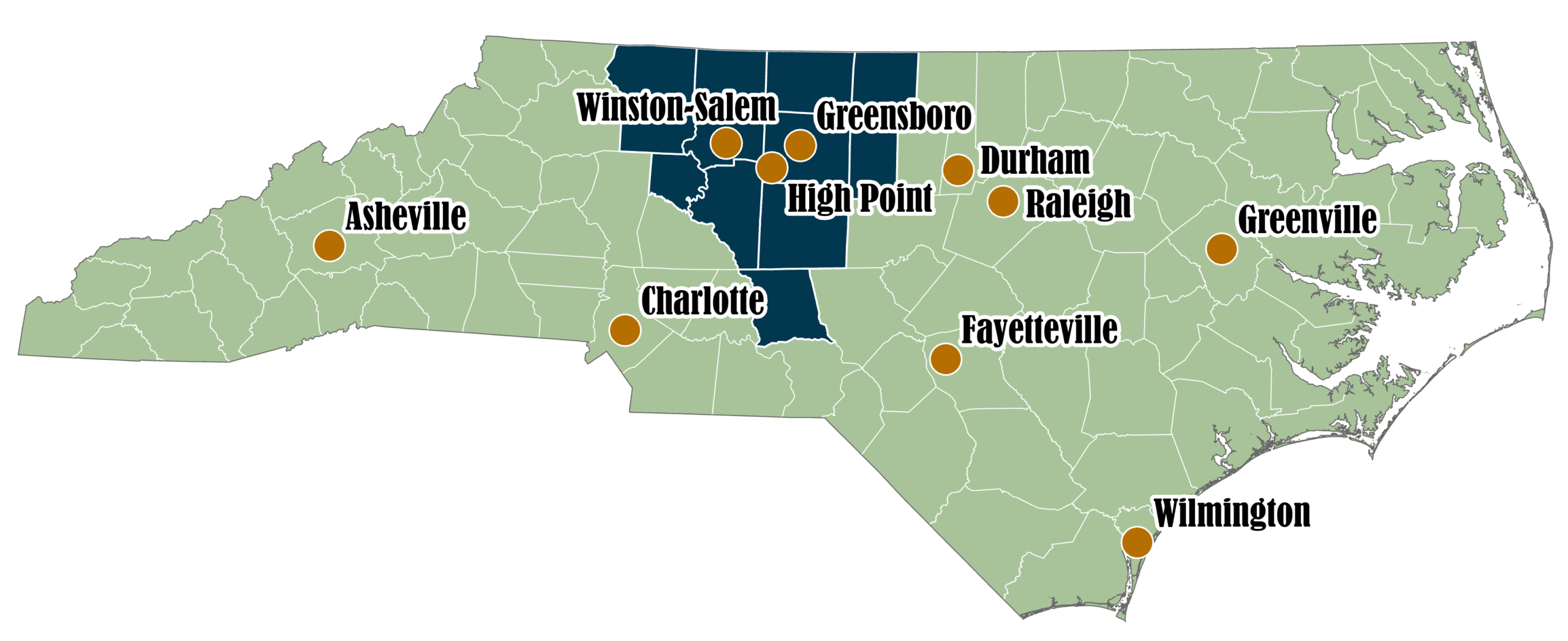
The Radon Specialist serves the greater Triad area of North Carolina
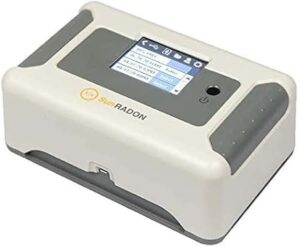
A radon test measures the concentration of radon in the air inside your home. Testing is especially important when purchasing a home, selling a property, finishing a basement, remodeling, or simply wanting to understand the indoor air quality of your home. Our radon testing services are designed to give Triad homeowners reliable information about radon levels in their properties.
Serving the Triad of North Carolina
Professional Radon Testing in the Triad
A radon test measures the concentration of radon in the air inside your home. Testing is especially important when purchasing a home, selling a property, finishing a basement, remodeling, or simply wanting to understand the indoor air quality of your home.
Our radon testing services are designed to give Triad homeowners reliable information about radon levels in their properties.
Why Test Your Home for Radon?
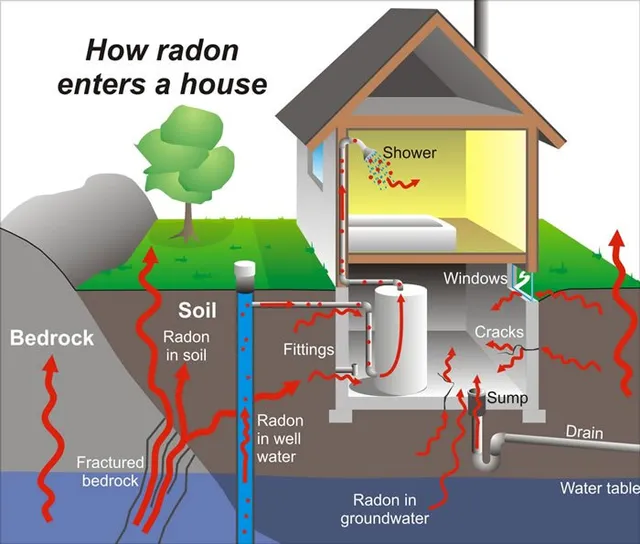
Radon can enter a home from the soil beneath and around the foundation. It may enter through:
- Foundation cracks
- Floor and wall joints
- Sump pits
- Drains
- Crawl spaces
- Construction joints
- Gaps around pipes and utility penetrations
Every home is different, and even neighboring homes can have substantially different radon levels. That is why testing your specific property is important.
Radon Mitigation for Triad Homes
If testing indicates elevated radon levels, the next step may be installation of a radon mitigation system.
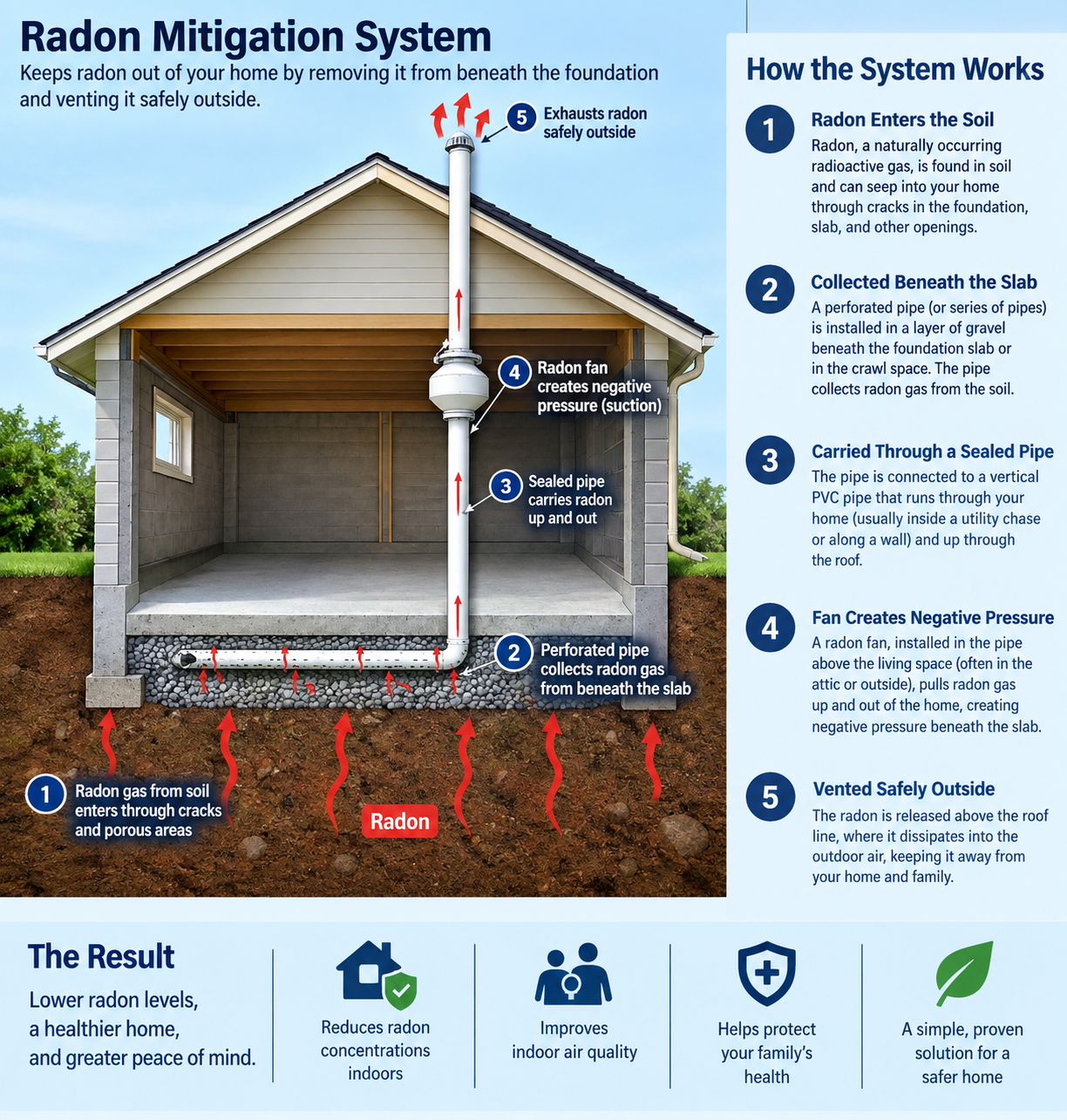
A mitigation system is designed to reduce the amount of radon entering and accumulating inside a home. Depending on the home's construction, foundation, and soil conditions, a mitigation solution may use techniques such as sub-slab depressurization, sub-membrane depressurization, block-wall depressurization or other appropriate methods.
Our goal is to design a mitigation system that fits the specific characteristics of your home while effectively reducing radon levels.
What Does a Radon Mitigation System Do?
A typical mitigation system works by creating a controlled pathway for soil gases to be collected and exhausted safely outside the home rather than allowing them to accumulate indoors.
The appropriate system depends on factors such as:
- Foundation type
- Basement configuration
- Crawlspace configuration
- Slab configuration
- Soil conditions
- Existing drainage systems
- Foundation penetrations
- Building layout
- Results of the radon test
After mitigation, follow-up testing can help determine whether radon concentrations have been successfully reduced.
When Should You Test for Radon?
There are several situations when testing makes sense.
A radon test can provide important information during the home-buying process. If elevated levels are discovered, you can discuss appropriate mitigation options before completing the transaction.
Having current radon test results can give prospective buyers useful information and may help address radon-related questions during a real estate transaction.
Basement finishing, foundation work, additions, and other renovations can change how soil gases move through a home. Testing before or after significant renovations can be worthwhile.
If you've never had your home tested for radon, now is a good time to establish a baseline.
Follow-up testing can help determine whether a mitigation system continues to keep radon concentrations at an appropriate level.
Why Professional Radon Testing Matters
Radon testing may seem simple, but obtaining useful results requires proper placement, test conditions, and adherence to applicable testing protocols. A professional can help ensure the test is performed appropriately and can explain what the results mean for your property.
Most importantly, you cannot determine the radon level of a home based on its age, location within the Triad, or whether neighboring homes have tested high or low. The only way to know your home's radon concentration is to test.
What Happens If Your Radon Test Is High?
A high radon test result does not mean you need to panic. It means the property should be evaluated and appropriate steps should be considered to reduce radon exposure.
The mitigation process generally involves:
- Reviewing the test results
- Evaluating the home's foundation and construction
- Identifying potential radon entry pathways
- Selecting an appropriate mitigation approach
- Installing the mitigation system
- Performing follow-up testing
The objective is to reduce radon concentrations as effectively as reasonably possible for the property.
Radon Testing and Mitigation for North Carolina Triad Homeowners
Whether you live in a Greensboro subdivision, a Winston-Salem neighborhood, a High Point home, a Kernersville property, or a house in Clemmons or Lewisville, radon testing provides information that cannot be determined through a visual inspection.
Radon is invisible and odorless, so there are no obvious signs that a home has elevated levels.
Testing takes the guesswork out of the equation.
If elevated levels are found, professional mitigation can provide a practical path toward reducing radon concentrations inside the home.
Frequently Asked Questions About Radon in the Triad
Radon occurs naturally in soil and rock throughout the United States, including North Carolina. Radon levels can vary significantly between individual properties, which is why testing your home is important.
No. Radon is colorless, odorless, and tasteless. Testing is necessary to determine whether it is present at elevated concentrations.
No. A mitigation system is generally considered when testing identifies elevated radon levels. The first step is testing.
Testing periodically can help homeowners monitor changes in radon levels, particularly after renovations, changes to the home's foundation or ventilation, or installation of a mitigation system.
Yes. A radon test can be an important part of the home-buying process, particularly for homes with basements or crawl spaces.
Yes. New construction does not guarantee low radon levels. Radon can enter homes through soil beneath the building regardless of the home's age.
Yes. Homes with crawl spaces can have radon entry pathways, and the appropriate testing and mitigation approach depends on the construction of the home.
We provide radon testing and mitigation throughout the North Carolina Triad, including:
- Greensboro
- Winston-Salem
- High Point
- Kernersville
- Clemmons
- Lewisville
We also serve surrounding communities throughout the Triad. Contact us to confirm service availability for your specific property.
Don't guess about the radon level in your home.
Schedule Radon Testing in the Triad
If you live in Greensboro, Winston-Salem, High Point, Kernersville, Clemmons, Lewisville, or a surrounding Triad community, contact us to schedule professional radon testing.
If elevated radon levels are identified, we can also help you determine whether mitigation is appropriate and what type of system may be suitable for your home.
Our Expert Team is Standing By
Why Choose Us
The Radon Specialist is the best choice for radon testing, mitigation, and vapor intrusion in the Piedmont Triad and surrounding areas. See our full list of service areas. Radon is a radioactive gas that is hazardous to your health when extended exposure to higher than recommended levels comes into contact with lung tissue. Radon is a big problem in our region that we take very seriously.
-
Our Guarantee
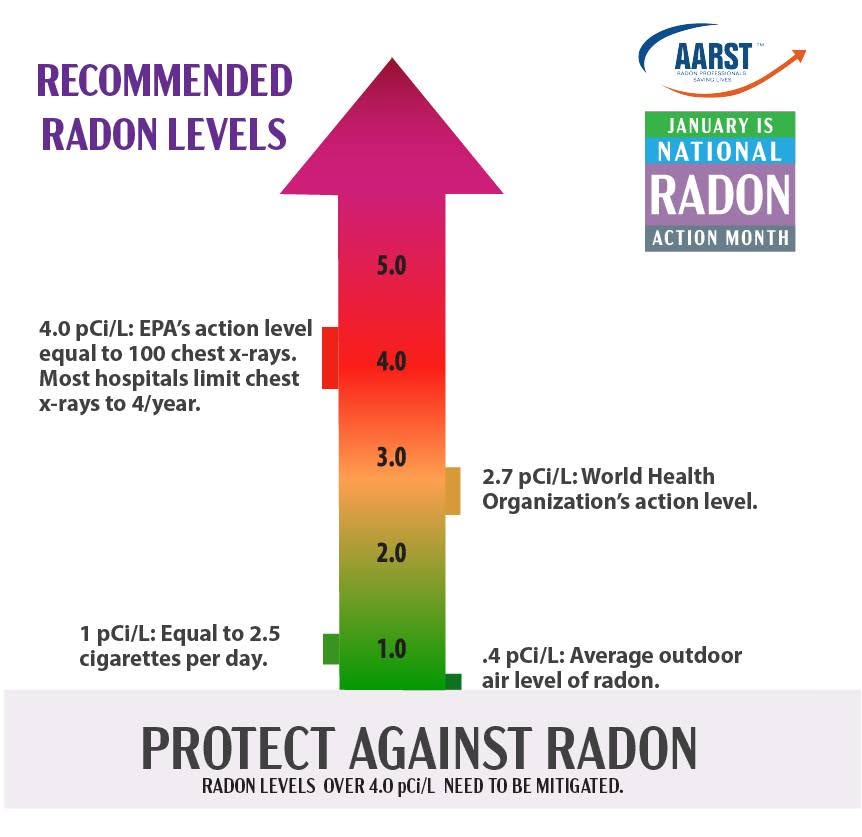
We guarantee to bring your radon results below EPA standards of 4.0 pCi/L.
-
Family Owned & Operated Since 2003
20 Years of dedicated customer service.
-
Custom Mitigation Systems
We use cutting-edge diagnostics leading to a more effective mitigation system design.

Testimonials
What Our Clients Are Saying About US

Abe Lopez is a radon mitigation specialist and did a beautiful, very professional and fast installation for exactly what his quote was. He’s the man both sets of real estate agents insisted on using because his reputation is the best in town.
Abe and his son were very professional, answered all my questions and left the house cleaner than when they arrived. Afterwards they performed a certified test to document that the radon levels had been properly mitigated to safe levels.